Commercial Office Vacancy Hits 15-Year Highs in Major Cities
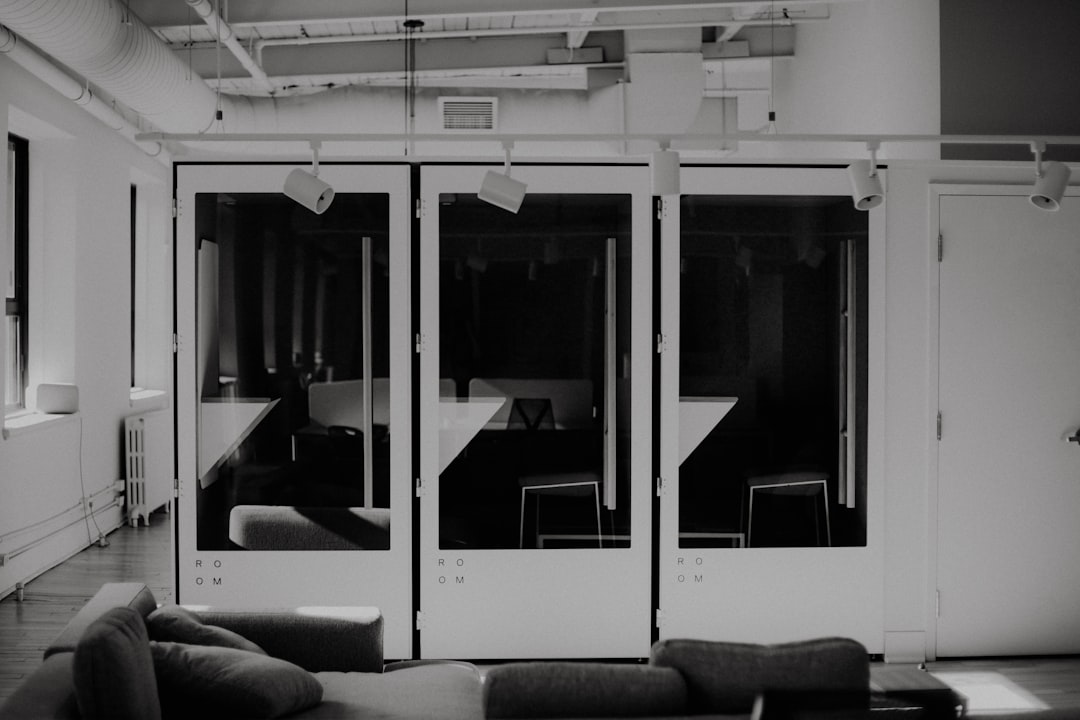
Commercial Office Vacancy Hits 15-Year Highs in Major Cities
The commercial office vacancy rate has reached its highest level in over a decade, affecting major cities worldwide. According to data released by global real estate consultancy Knight Frank, the average office vacancy rate has increased to around 14.2% globally, surpassing previous highs seen during the 2008 financial crisis.
In major metropolitan areas, the situation is particularly dire. In London, for instance, the vacancy rate stands at approximately 17.4%, with many upscale districts experiencing rates above 20%. Similarly, in New York City, the average vacancy rate has reached roughly 16.5%.
The current slump can be attributed to a post-hybrid work trend, where office demand has decreased as companies adapt to remote work arrangements. As Maria Okonkwo, hospitality analyst at Mercer, notes, "The shift towards flexible working models has led to an oversupply of commercial space in many cities."
Global Market Adjustment
In Europe, the commercial real estate market is also facing significant challenges. According to David Lindqvist, partner at a Stockholm legal consultancy, "Many major European cities are experiencing high vacancy rates due to over-expansion and changes in consumer behavior." In Paris, for example, the office vacancy rate has risen to around 15.1%.
In Asia, cities like Hong Kong and Singapore are also grappling with high vacancy rates. The impact of these trends on commercial real estate investment is expected to be significant.
Industry experts warn that a prolonged period of low demand could lead to widespread defaults among commercial property developers, causing a ripple effect in the broader economy. As companies adapt to new work patterns, it remains to be seen how long the current vacancy rates will persist.
The office market's recovery will depend on factors such as changes in government policies, shifts in consumer behavior, and technological advancements that may further enable remote work arrangements. One development to watch closely is the growing trend of repurposing vacant commercial space for alternative uses, such as residential or logistics facilities, which could potentially mitigate some of the current challenges facing office markets.