7 Things to Check Before Buying a Used Car in France
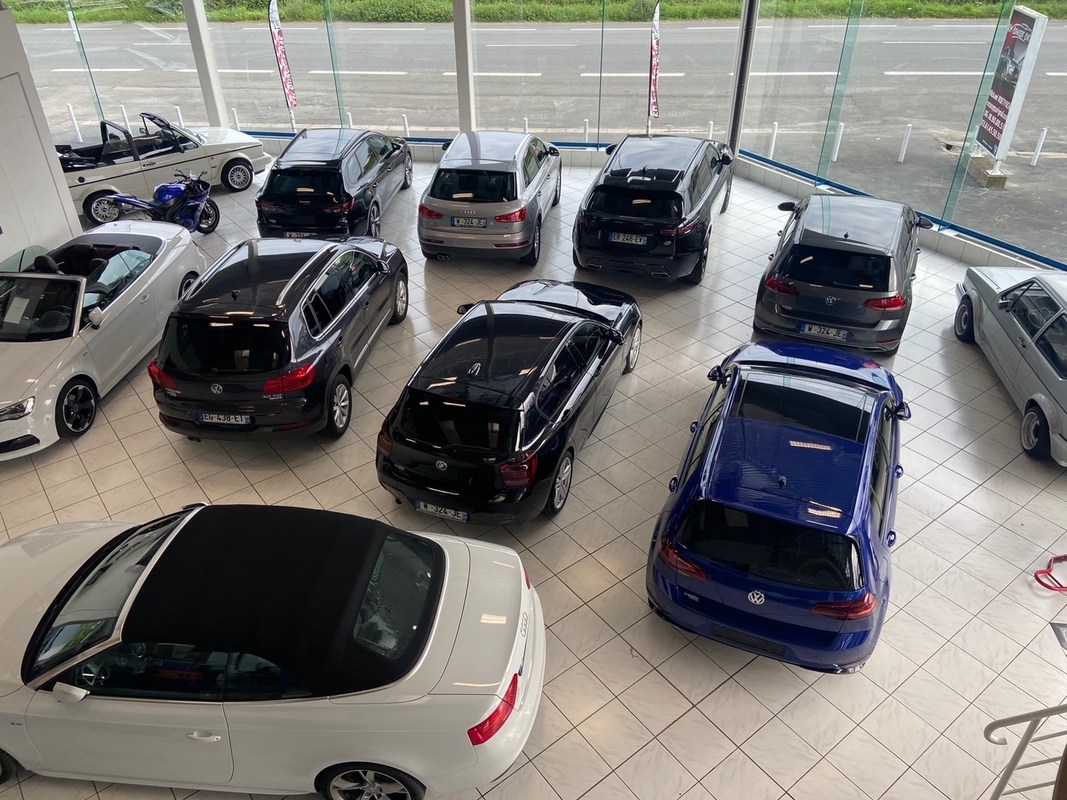
Buying a used car is one of the more stressful financial decisions most people make — not because the process is complicated, but because the stakes are high and the risks are easy to miss. In France, the second-hand car market is active and competitive, with transactions happening through private sellers, franchised dealerships, independent garages, and specialist brokers.
Whether you're spending €5,000 on a practical runaround or €25,000 on something more substantial, the same principles apply. Here are seven things you should always check before handing over your money.
---
1. Verify the Vehicle's Administrative History
In France, every used car comes with a paper trail. The most important document is the certificat de situation administrative (also called a certificat de non-gage), which confirms the vehicle has no outstanding finance or legal opposition against it. You can request this free of charge online via the official government service. Without a clean certificate, you could legally inherit someone else's debt the moment you register the car in your name.
Also check the carte grise (vehicle registration document) carefully. The name and address on it should match the seller's ID. If they don't, ask why — and be cautious.
---
2. Check the Mileage Against the Service History
Odometer fraud remains a real problem in the used car market across Europe. A full service history — ideally stamped by garages at regular intervals — is the best way to cross-reference whether the mileage makes sense. A five-year-old family car with 30,000 km and no service stamps is a red flag. A car with 150,000 km and a complete, consistent service history is often a far safer bet.
If no service book is available, ask the seller for any garage receipts or invoices. These can often be traced even when the official booklet has been lost.
---
3. Run a Full Vehicle History Report
Services like Histovec (the French government's official platform) allow you to check a vehicle's recorded history using its registration number and the last four digits of the VIN. This will flag any declared accidents, technical inspections (contrôle technique), and ownership changes. It won't catch everything, but it will surface problems that have been officially recorded — and that sellers sometimes neglect to mention.
For higher-value purchases, third-party European history checks (such as those covering cross-border vehicle imports) are worth the €10–20 fee.
---
4. Inspect the Contrôle Technique Date
The contrôle technique is France's mandatory roadworthiness test, required every two years for vehicles over four years old. A car being sold should have a valid CT or one that expired no more than six months ago (sellers have some flexibility here). More importantly, look at what the report flagged — even minor advisory items can indicate a pattern of neglect.
If the CT was done very recently just before the sale, that's worth noting. Some sellers time it strategically to present the car in the best light before defects worsen.
---
5. Take It for a Proper Test Drive — Not Just Around the Block
A ten-minute local drive tells you almost nothing useful. Aim for at least 30 minutes that includes motorway speeds, urban stop-start conditions, and ideally a hill or two. You're listening for rattles, hesitations on acceleration, brake fade, and any warning lights that flicker on once the engine is warm. Many mechanical issues only reveal themselves once the car reaches operating temperature.
Bring a friend if you can — one person drives while the other listens and watches the dashboard without distraction.
---
6. Budget for the Real Cost of Ownership
The purchase price is never the full cost. Factor in:
- Insurance: Third-party cover for a used car in France typically starts around €300–500 per year, but comprehensive cover on an older performance vehicle can be significantly more.
- Carte grise transfer: Registration costs are calculated by region and engine power (chevaux fiscaux). A 7 CV vehicle changing hands in Île-de-France will cost roughly €350–500 to register.
- Upcoming maintenance: Timing belt, brake fluid, tyres — check what's due and negotiate accordingly.
A car priced at €8,000 with €1,500 in immediate maintenance needs is worth treating as a €9,500 purchase.
---
7. Understand the Difference Between Buying Private and Through a Professional
Private sales in France are completed "en l'état" — as seen, with very limited legal recourse if something goes wrong. Professional dealers, by contrast, are legally required to offer a minimum garantie légale de conformité of two years on vehicles sold to private individuals. This isn't a minor distinction. If a gearbox fails three months after a private purchase, you're on your own. If it fails three months after buying from a registered dealer, you have legal grounds to demand repair or compensation.
This doesn't mean private sales are to be avoided — they can offer genuine value — but you should price in the added risk, and inspect private purchases more rigorously.
---
A Note on Consignment and Vehicle Sourcing Services
If you're struggling to find a specific model or don't have the time to vet sellers yourself, dépôt-vente (consignment) dealers and vehicle sourcing services can be worth considering. In a consignment arrangement, a dealer sells a private owner's car on their behalf — giving buyers some of the protections of a professional transaction while often keeping prices closer to private market levels. Vehicle sourcing services, where a dealer actively hunts for a specific model on your behalf, have become increasingly common for buyers with particular requirements.
As with any purchase, check the dealer's credentials, look for reviews, and clarify in writing exactly what guarantees apply before committing.
---
Buying a used car well is mostly about patience and preparation. Most problems that catch buyers off guard were visible beforehand — they just weren't looked for carefully enough.
---
About the Expert
RM CONCEPT CAR is an independent automotive dealer based in France, operating since 2017 across buying, selling, consignment, and vehicle sourcing services for all brands. As an example of a multi-brand specialist in the French market, their model — combining private consignment with professional accountability — illustrates the kind of dealer arrangement described in point seven above.